

By Katie Todd of
A restored wetland on the edge of Queenstown is drawing rare native wildlife back to an area once dry and barren, but conservationists say roaming pet cats could undo years of community-led work.
Just after a rare and elusive bird species was spotted at the Shotover Wetland, the Whakatipu Wildlife Trust said trail cameras detected 44 cats over three weeks.
Executive officer Anna Harding-Shaw was the first to spot the pair of marsh crakes, which are a native species so notoriously 鈥渟ecretive and cryptic鈥� that their total population numbers are unknown.
鈥淚 don鈥檛 think I鈥檝e ever been that excited to see a bird before,鈥� she said.
鈥淚 was just throwing everything down to try to get my camera out.
鈥淭hey are an indicator species, which means that they only show up when the wetland is in good health, so it鈥檚 such a great example of the work that鈥檚 been done here.鈥�
For the past decade, Shotover Primary School students have helped other groups bring the wetland back to life.
Audrey Austin, who has moved on to Wakatipu High School, remains a keen birder and regular visitor.
鈥淚 go down there, and I look at all the thriving plants and animals that are down there that call it their home now,鈥� she said.
鈥淎ll the plants that we鈥檝e planted ... it鈥檚 amazing to see the difference.鈥�
She has also spotted black-fronted terns, white-faced herons, grey teal, native bees, skinks and dragonflies, as well as the pair of marsh crakes.
鈥淎fter so long restoring this wetland 鈥� all these thousands of plants now that have been put in the ground, and water-quality testing that we鈥檝e done and invertebrate monitoring that we鈥檝e done, and bird watching 鈥� to see that marsh crakes have come back, that鈥檚 amazing.
鈥淚t鈥檚 incredible.鈥�
Harding-Shaw said pest traps had picked up mice, rats and the occasional hedgehog, but the scale of the cat presence only became apparent through the trail cameras.
鈥淲e left them out for 21 nights, and there were 44 triggers for cats over that time, which is huge, which is massive, compared to all other camera monitoring around.鈥�
Most of them appeared to be pets, she said.
鈥淔ancy breeds, longhairs, ragdolls with collars 鈥� you could tell they were pet cats.
鈥淚t鈥檚 in the middle of the night, so they鈥檙e only here for one thing: if they鈥檙e here in the middle of the night, that鈥檚 to go hunting, which is a real shame.
鈥淥ne of them was actually carrying a dead bird in its mouth at the time.鈥�
Queenstown cat owners needed to keep them inside at night, she said.
鈥淓ven just having them wandering through the wetland is going to be scaring the birds that we want to be nesting here.鈥�
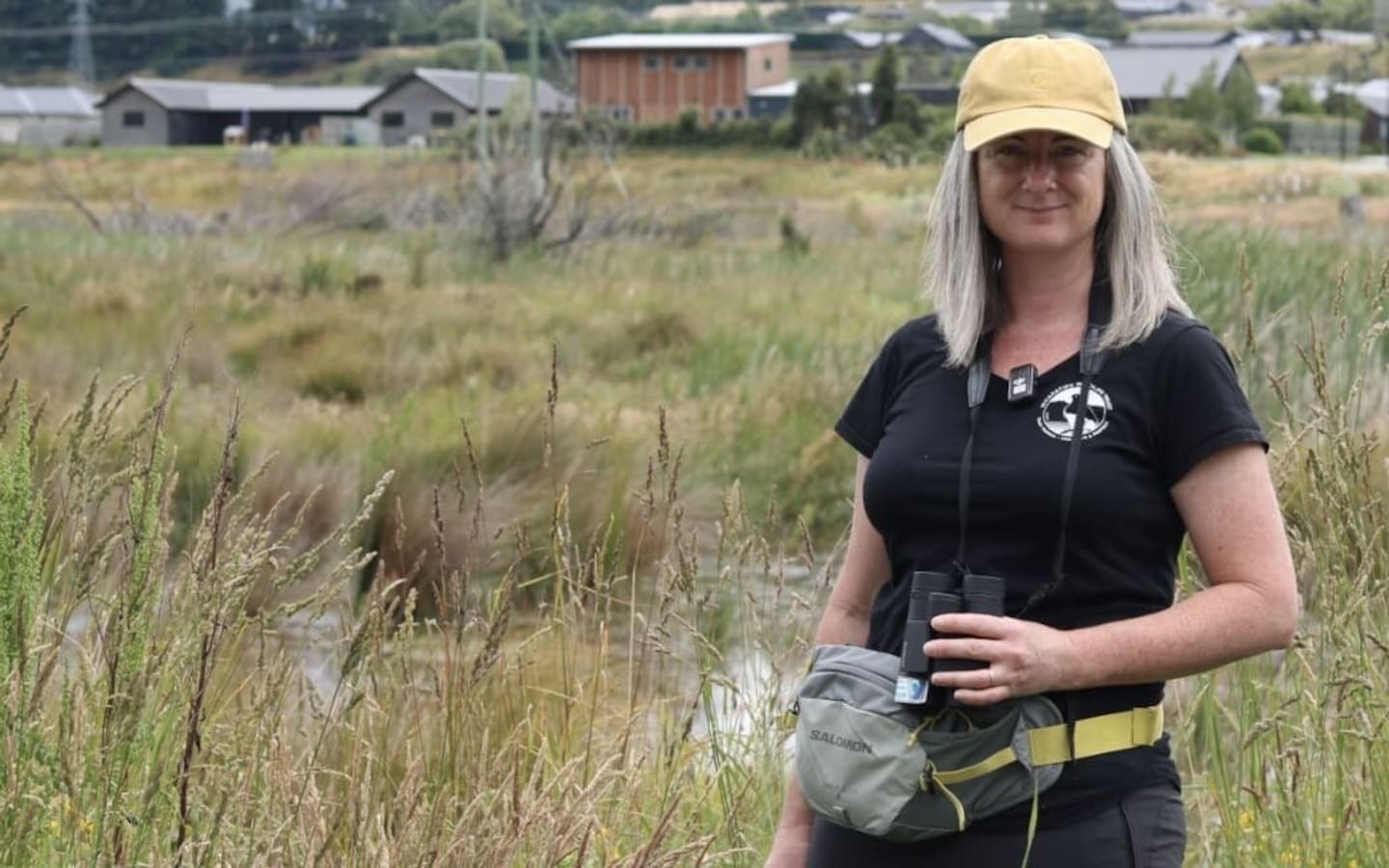
Whakatipu Wildlife Trust executive officer Anna Harding-Shaw. Photo / RNZ, Katie Todd
Austin was worried the marsh crakes were only just settling in and could be particularly vulnerable.
鈥淟ike many New Zealand birds, they鈥檝e evolved to combat avian predation from the sky, so marsh crake are perfectly camouflaged and when they feel threatened, they鈥檒l run and hide,鈥� she said.
鈥淭hat鈥檚 great if you have, say, a falcon or harrier above you, but when the threat is coming from a land-based predator that operates by smell, they鈥檙e basically left very, very vulnerable.
鈥淵ou can imagine this 15cm-long bird trying to attack a cat.
鈥淭hat鈥檚 not going to go down well for the bird, probably.鈥�
Harding-Shaw said feral cats were already a major challenge for the region.
鈥淚n terms of feral cats, there鈥檚 thousands of them in the hills, absolutely thousands, and they roam everywhere across the Southern Alps.
鈥淭hey鈥檙e in all ecosystems, really hardy, really smart, adaptable and can live on nearly anything, a huge problem to get on top of.鈥�
Feral cats were recently added to Predator Free 2050s hitlist, which could unlock more funding for projects that target them.
However, pet cats roaming near towns could complicate trapping efforts, Harding-Shaw said.
Whakatipu Wildlife Trust asked Queenstown Lakes District Council to make microchipping and desexing mandatory, partly because some feral cat traps switched off if they detected a microchipped pet cat.
It also wanted the council to consider an education campaign about keeping cats inside at night.
Queenstown Lakes District Council responded that it would investigate cat management as part of its Climate and Biodiversity Plan 2025-28.
Shotover Primary School teacher Emma Watts hoped local cat owners would start keeping their felines indoors before any chicks hatched.
鈥淚t feels like you鈥檙e facing a losing battle,鈥� she said.
鈥淲e have paradise ducks down there that are having ducklings, and we鈥檙e hoping that the marsh crake is going to breed down there.
鈥淲e鈥檝e got p奴keko we hope will breed down there as well, and you just think what chance are they going to have, if there are lots of cats there?
鈥淲e love cats, we love animals ... but we would love to educate our community for their domesticated cats to be kept in at night.鈥�
鈥� RNZ
Take your Radio, Podcasts and Music with you
Get the iHeart App
Get more of the radio, music and podcasts you love with the FREE iHeart app. Scan the QR code to download now.

Download from the app stores
Stream unlimited music, thousands of radio stations and podcasts all in one app. iHeart is easy to use and all FREE


