


A 3-year-old boy was rushed to an emergency department in a rural hospital with a high fever and vomiting, in a condition triaged as 鈥渋mminently life-threatening or time-critical鈥�.
He was seen by a doctor who suspected early appendicitis and was admitted to the children鈥檚 ward for observation.
But, due in large part to staff having insufficient paediatric experience, the Health and Disability Commissioner has found he did not get 鈥渞easonable care鈥�.
His condition worsened, he continued to vomit up mucus and have persistent fevers, despite a nurse and doctor administering paracetamol, ibuprofen, and giving him ice-blocks to increase his fluid intake and decrease his temperature.
When he developed a rash in the early hours of the morning, a doctor sought lab testing, suspecting he might be 鈥渄eveloping sepsis鈥�.
But instead of starting IV antibiotics straight away, he decided to wait for test results.
By 5am, the boy was unresponsive, and his heart stopped. A defibrillator was used at 5.12am, but he remained unresponsive and was pronounced dead.
The day before, he鈥檇 鈥渁ttended a soccer practice with no difficulty鈥�, but had been experiencing 鈥渦pper respiratory tract symptoms consistent with a common cold鈥�.
Now, Health NZ has been found to have been in breach of the Code of Health and Disability Services Consumers鈥� Rights, as it failed in ensuring it had 鈥渁dequate systems and processes in place鈥�, and 鈥渇ailed to ensure it had staff with sufficient paediatric experience鈥�.
This meant Health NZ had failed to provide the 3-year-oldwith 鈥渞easonable care鈥� when he was admitted in 2020.
However, Deputy Health and Disability Commissioner Rose Wall said she acknowledged 鈥渢he resource constraints experienced by rural centres such as Health NZ鈥�.
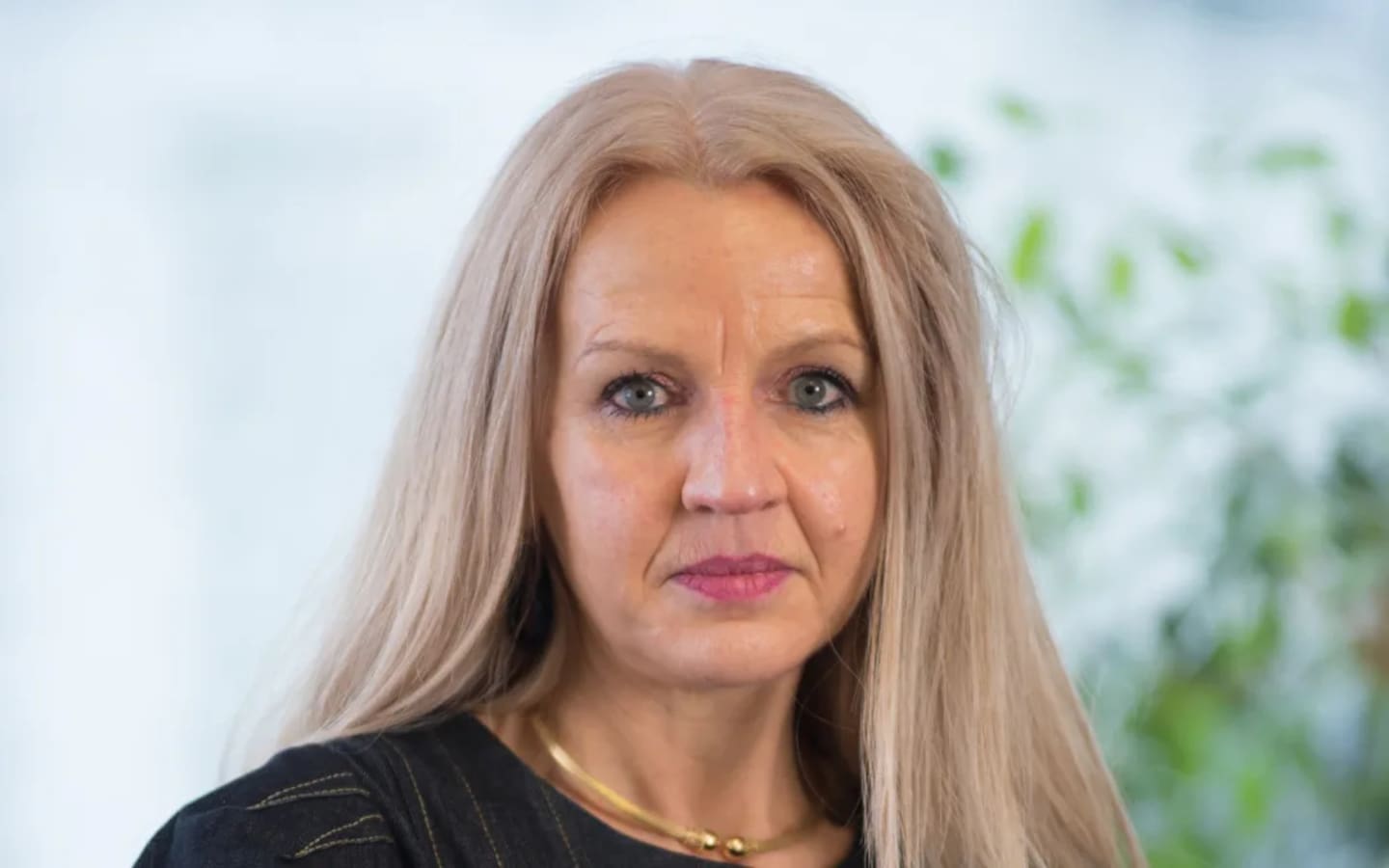
Deputy Health and Disability Commissioner Rose Wall. Photo / Lance Lawson
One of Wall鈥檚 key findings was the inadequate combination of staff on the night the boy arrived.
The 鈥渟taff lacked sufficient paediatric training and/or dedicated paediatric experience to provide the expected standard of care for a rural paediatric inpatient service鈥�.
In particular, a nurse rostered as the sole charge nurse of the children鈥檚 ward was 鈥渘ew to Health NZ, new to paediatrics, and new to nursing in the New Zealand context鈥�.
This rostering decision was a 鈥渕oderate departure鈥� from the accepted standard of care.
There was also an adverse comment made about the training Health NZ had provided in the area of CPR, which meant incorrect concentration and volume of adrenaline was given when the boy became unresponsive.
鈥淚t is evident that staff did not have adequate CPR and paediatric-specific emergency training. I consider this to be a system failure by Health NZ,鈥� Wall said.
A nurse鈥檚 lack of critical thinking
Wall鈥檚 main concern was with the shortcomings of Health NZ and the resourcing of the hospital, but there were also specific criticisms of the medical staff鈥檚 conduct that night.
The nurse referred to as 鈥淩N A鈥� had the most contact with the boy.
鈥�...she was principally responsible for the hands-on nursing care he received, and for monitoring his deteriorating health and reporting it to more senior colleagues,鈥� Wall said.
She hadn鈥檛 adequately monitored his fluid intake 鈥� failing to keep track of how little fluid he was taking in, and how much he was losing through vomiting, fever and sweating.
The boy鈥檚 mother had become increasingly concerned as her son continued to vomit 鈥渟tringy mucus鈥� in the children鈥檚 ward, especially given he鈥檇 been vomiting before arriving at hospital, and hadn鈥檛 been drinking.
鈥淸The mother] stated that she alerted RN A numerous times, but RN A was 鈥榥ot concerned at all鈥�.鈥�
Her 鈥渓ack of critical thinking about fluid intake and output in the context of a young child who was vomiting frequently with a high fever鈥� represented a moderate departure from the accepted standard of care.
She had also taken incomplete observations, including failing to take blood pressure, and failing to record the parents鈥� concerns.
At 4.30am, there was a missed opportunity where the nurse failed to use the 鈥淧ediatric Early Warning Score鈥� tool to calculate how he was tracking 鈥� a number that would have signalled that escalation and an urgent review was needed.
The nurse wasn鈥檛 alone in her failing to use the PEWS tool properly though, which led Wall to conclude it was a systemic failing by Health NZ.
Despite eight assessments by three different staff members, no complete PEWS was calculated for the boy while he was in hospital, a failure considered a 鈥渟erious departure from a fundamental nursing task鈥�.
She鈥檇 also failed to make a 鈥�777 call鈥� when the boy became unresponsive, paging another nurse and doctor instead, delaying an emergency response.
鈥淎lthough I cannot make a finding on whether a different course of action would have changed the outcome for (the boy), I remain critical of the care RN A provided to (him).鈥�
Delayed start to IV antibiotics
Wall was also critical of 鈥淒r B鈥�, while acknowledging that, like RN A, the junior doctor had insufficient training, experience, and orientation to the hospital.
The doctor failed to start IV antibiotics when he should have, choosing instead to wait until he had lab results to confirm sepsis.
However, the boy was showing symptoms, including a rash, that under Starship鈥檚 guidelines, should have prompted antibiotics before results came through.
Wall saaid 鈥渋t cannot be known whether earlier administration of antibiotics would have changed (the boy鈥檚) devastating outcome鈥�.
The doctor also failed to give the correct amount of IV fluids when the boy鈥檚 condition became worse.
There was also an 鈥渆ducational comment鈥� made about senior doctor 鈥淒r C鈥� who assessed the boy when he arrived, and was only brought back in when called to 鈥渦rgently assist鈥� in the child鈥檚 resuscitation.
While he鈥檇 assessed the boy鈥檚 fluid status thoroughly, there was a lack of 鈥渇ormal documentation鈥�. The doctor accepted this and has said he will endeavour to do better.
Changes since events
Health NZ has revised its staffing in acute zone and paediatrics, and no longer rosters sole registered nurses to work night duties.
It has implemented a new model of senior medical staffing, where there is a combined medical handover attended by medical, rural hospital medical doctors, and/or ED senior medical staff each morning, along with all oncoming junior medical officers.
There鈥檚 also increased access to the 鈥淗ealth Pathways鈥� guidelines. The Paediatric Sepsis Screening and Action Tool is accessible from all local hospital logins and it has increased its training and recruitment to focus on paediatric experience.
In an apology letter to the boy鈥檚 family, Dr B accepted the severity of the situation should have led to the 鈥渋mmediate involvement of senior medical staff鈥�.
Dr B stated that his lack of any Advanced Paediatric Life Support training at the time may also have lessened his degree of urgency during the response.
RN A accepted the proposed criticisms around the care provided and the recommendations proposed.
However, she disputed the proposed breach finding, stating given the serious systems failings, the proposed breach finding as it related to her should be reduced to an 鈥渁dverse comment鈥�.
The boy鈥檚 parents said they have had to relive the trauma, from which they will never recover, and that 鈥渘o words can mend the deep wounds they carry鈥�.
They remain concerned about RN A鈥檚 continued practice, and her apparent lack of reflective practice and ability to take responsibility for her actions.
While they find it encouraging that Health NZ has taken steps to improve care, they remain concerned about how these actions will be monitored to ensure that they are sustained.
Hannah Bartlett is a Tauranga-based Open Justice reporter at 九一星空无限. She previously covered court and local government for the Nelson Mail, and before that was a radio reporter at 九一星空无限talk ZB.

Take your Radio, Podcasts and Music with you
Get the iHeart App
Get more of the radio, music and podcasts you love with the FREE iHeart app. Scan the QR code to download now.

Download from the app stores
Stream unlimited music, thousands of radio stations and podcasts all in one app. iHeart is easy to use and all FREE


