

The deaths this week of two climbers on Aoraki/Mt Cook, and another pair on Sabre Peak in Fiordland, have further highlighted the dangers of mountaineering in New Zealand鈥檚 alpine environment.
Six climbers have been killed in the past four weeks across the two peaks, in a summer climbing season that is verging on New Zealand鈥檚 most deadly.
Last month, well-respected guide Thomas Vialletet and his American client Kellam Conover died after falling from the western slopes of Aoraki/Mt Cook while attempting a grand traverse of New Zealand鈥檚 highest mountain.
Vialletet was known as a highly skilled alpinist.
Only weeks before the accident, Vialletet had guided climbers across Aoraki鈥檚 demanding East Ridge in a 25-hour round trip from Plateau Hut. In a social media post, Vialletet believed it had been a decade since the route was last guided.
He died attempting to traverse one of the most dangerous routes on the country鈥檚 most dangerous mountain.

Thomas Vialletet. Photo / Supplied
A Givealittle page has raised almost $150,000 to support Vialletet鈥檚 partner Danielle and their two young children.
Two more climbers died on the north buttress of Sabre Peak, Fiordland, last weekend.
They were 28-year-old Connor Scott McKenzie, a dual citizen of New Zealand and Canada, and 23-year-old Australian citizen Tanmay Shetankumar Bhati. Both men lived in Australia.
The most recent deaths are believed to have been caused by an ice avalanche on Aoraki/Mt Cook. They had taken a route from Pinnacle hut, Linda Glacier, to the summit.
On Wednesday, search teams utilised a RECCO SAR detector, suspended under a THL helicopter.
鈥淎 visual investigation of this area has led to the determination that the overdue climbers have been caught in a significant ice avalanche within a known icefall hazard zone on the upper Linda Glacier,鈥� said Inspector Vicki Walker, Aoraki area commander.
鈥淏ecause of the scale and volume of material involved, we don鈥檛 believe this avalanche was survivable.鈥�

New Zealand鈥檚 tallest peak Aoraki/Mount Cook at sunset. Photo / George Heard
The worst climbing season in recent memory was in 2015/16, when seven mountaineers perished. Since then, it has largely trended down, with four deaths in the past four seasons.
Since 2008, 15 climbers have died summiting Aoraki/Mount Cook. There have been six people who have died on guided climbs and seven on recreational climbs. It鈥檚 not yet clear which category the most recent deaths belong to.
Many who succumb are never found.
Sally Jones is operations manager at the Department of Conservation Aoraki/Mount Cook. Among her responsibilities is coordinating the search and rescue team.
鈥淭hey鈥檙e consummate professionals and I鈥檓 incredibly proud of them,鈥� she said. 鈥淲e don鈥檛 work alone. For this response, we have been really well supported by the police. They鈥檝e been in the room with us since we鈥檝e built a profile and then as we executed the search as well. And we鈥檝e been well supported by our pilot from the helicopter line.鈥�
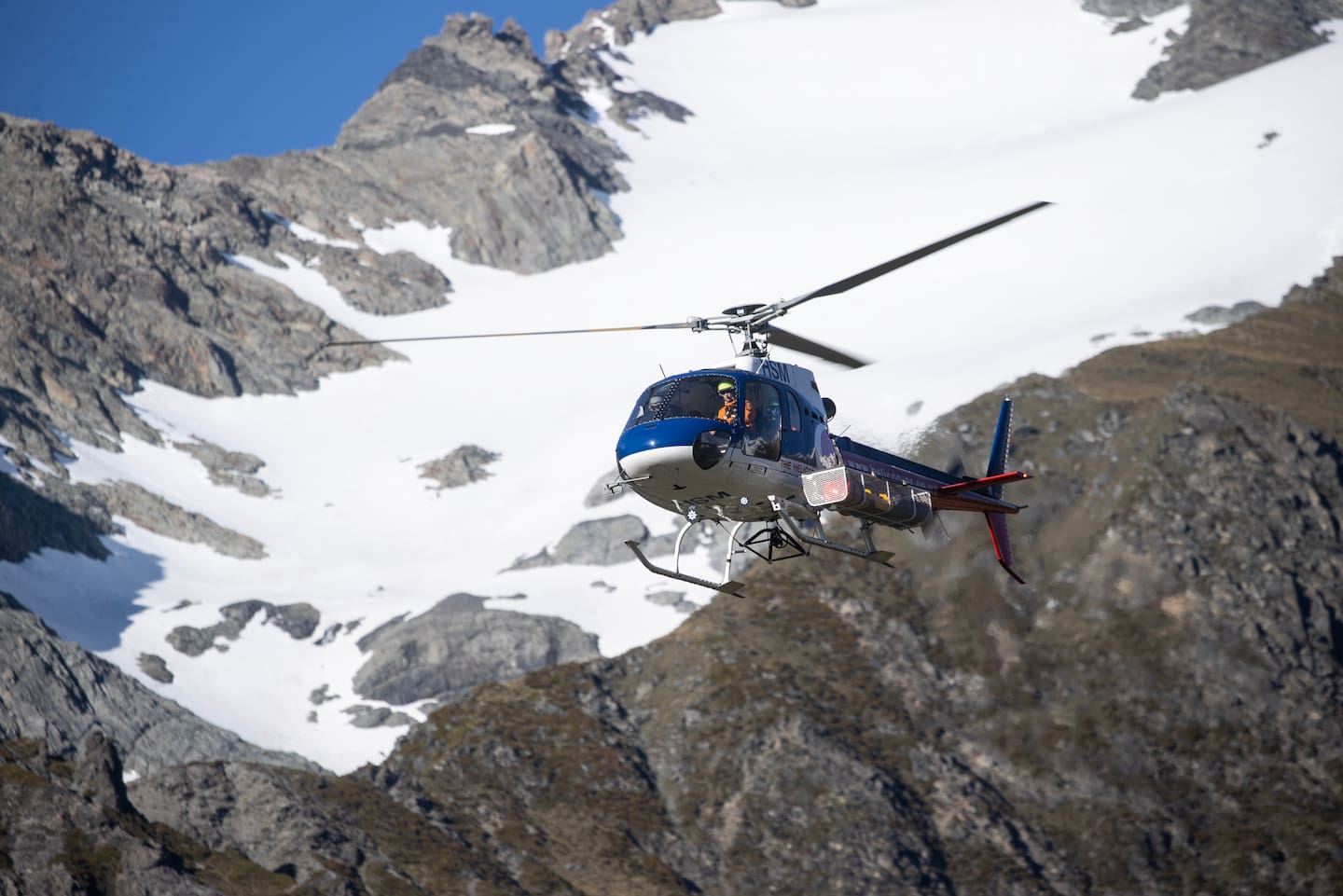
A SAR helicopter at Aoraki/Mt Cook. Photo / George Heard
Each search takes its toll on her team, who are laser-focused on achieving the best possible outcome. They are themselves experienced mountaineers, quite familiar with how Aoraki/Mt Cook can catch out climbers of all abilities.
Jones believes it is often underestimated, despite its reputation as New Zealand鈥檚 deadliest peak.
鈥淚 think it鈥檚 because it鈥檚 so accessible. You鈥檙e not trekking for days and days and days, going through base camps and acclimatising. You can be there fairly quickly. You can fly in and begin your climb within a day, a drive from Christchurch, potentially. And there are no issues with altitude.
鈥淪o I think a lot of people underestimate Aoraki because it鈥檚 accessible. It鈥檚 way more technically challenging than a lot of the well-known international peaks like Everest. It鈥檚 just not as high.鈥�
Even those who have felt the power of the mountain before can fall foul of it. Vialletet and Conover were familiar with the dangers they faced 鈥� even if they didn鈥檛 convey that risk to others.
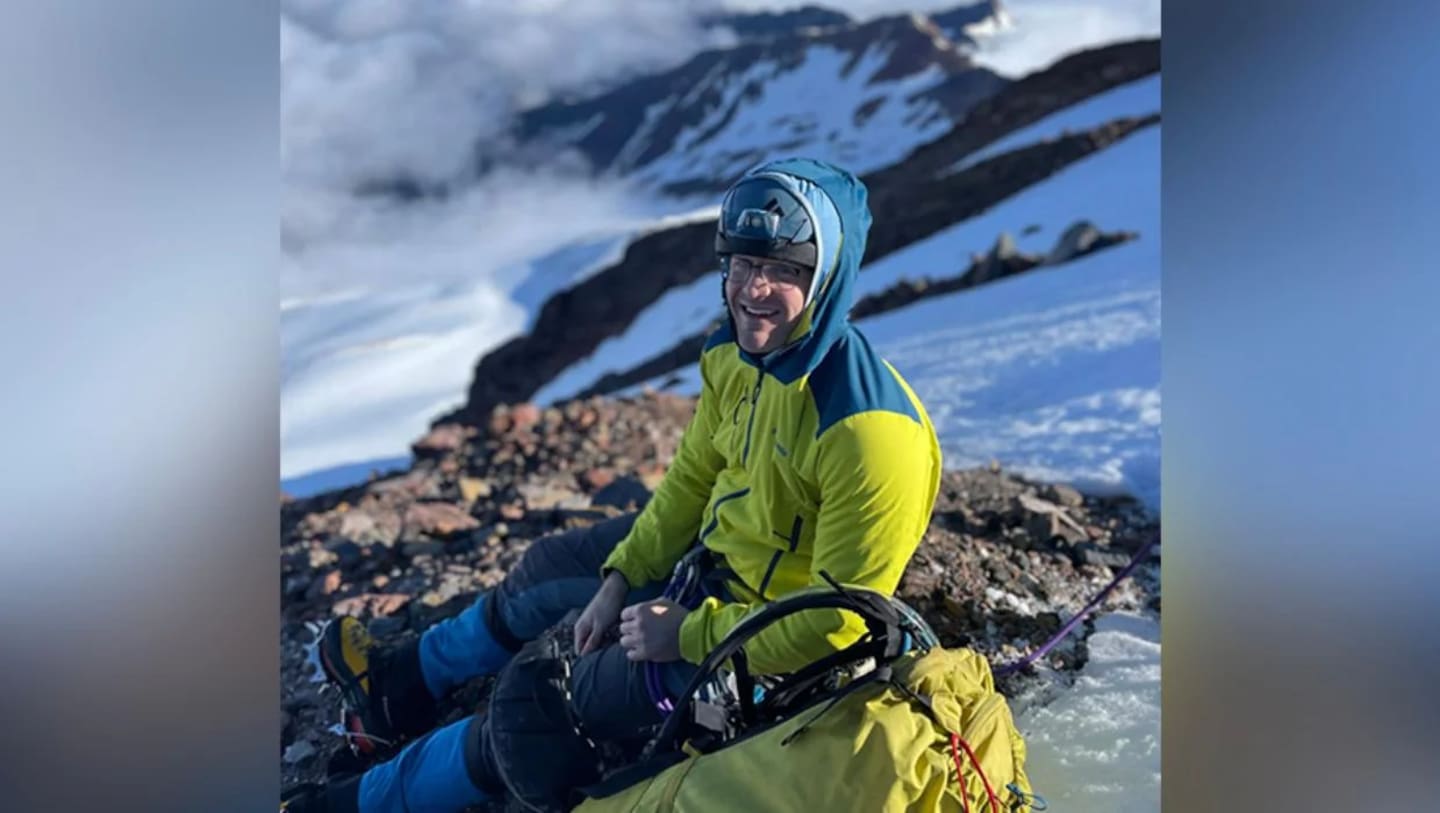
Kellam Conover was killed on Aoraki/Mt Cook.
Speaking via social media, Conover鈥檚 father recalled his final conversation with his son the day before he left the US. He recalls what wasn鈥檛 said as well.
鈥淚n our final phone call, Kellam did not disclose that he planned to climb the most dangerous mountain in New Zealand. I鈥檓 perfectly OK with that.鈥�
He believed that his son was sparing him 鈥渘eedless anxiety鈥�.
鈥淗e reminded me that he and his guide had tried climbing this mountain, which he simply characterised as the tallest in NZ, two years ago but were turned away due to bad weather or bad climbing conditions,鈥� Chris Conover said.
鈥淗e did not tell me which route [that was], but ... nearly every other route was less risky than The Grand Traverse, which he did not name in the call, but I later learned was the one he and Thomas had selected. He certainly did not characterise it as one of the most dangerous routes up the mountain, even though I now know it was exactly that.鈥�
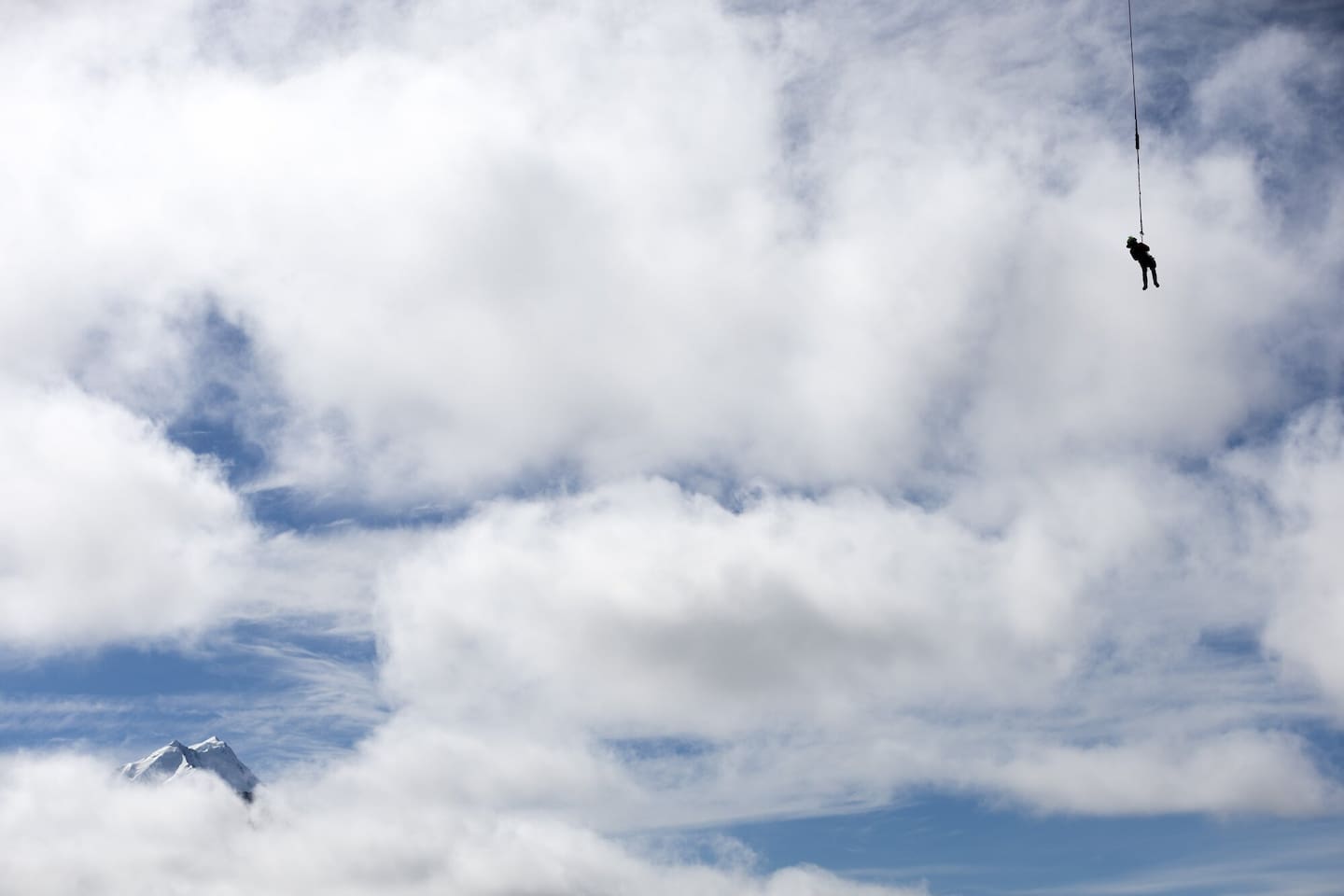
The Department of Conservations Aoraki Mountain Rescue team is one of the most advanced rescue teams in the country and conduct some of the most difficult rescues. Photo / George Heard
The current climbing season ends on March 31 and will see many more mountaineers attempt New Zealand鈥檚 most exhilarating routes. Jones has some advice for them.
鈥淭hey need to be prepared. Do as much as you can to prepare yourself for the environment that you鈥檙e going into. Leave intentions, tell people where you鈥檙e going, when you expect to be places, and when you expect to be out.
鈥淗ave a primary ability to call for help. We鈥檙e talking about beacons, transceivers and reach. And use RECCO. We鈥檝e been really fortunate to have been able to use the RECCO that鈥檚 now in the South Island to help us in locating where these people are. So invest in some RECCO for your clothing and your kit. It makes a difference.鈥�
The RECCO SAR Helicopter Detector is a system that can help search-and-rescue teams find RECCO-equipped hikers and other outdoor users by scanning large areas of ground quickly.
RECCO reflectors can be sewn into clothing and work by bouncing back signals from detectors. Smaller handheld RECCO detectors have been located in New Zealand for quite some time but recently two RECCO SAR helicopter detectors have been provided by RECCO, one of which is located in Canterbury.
Mike Thorpe is a senior multimedia journalist for the Herald, based in Christchurch. He has been a broadcast journalist across television and radio for 20 years and joined the Herald in August 2024.
Take your Radio, Podcasts and Music with you
Get the iHeart App
Get more of the radio, music and podcasts you love with the FREE iHeart app. Scan the QR code to download now.

Download from the app stores
Stream unlimited music, thousands of radio stations and podcasts all in one app. iHeart is easy to use and all FREE


